
At the end of April, the 2026 Orienteering World Cup gets underway in Locarno and Ascona, in southern Switzerland, with a programme built entirely around sprint orienteering. The opening round includes Individual Sprint, Sprint-Relay and Knock-Out Sprint, all held from 24 to 26 April 2026, with the arena located in the iconic Piazza Grande in Locarno throughout the weekend.
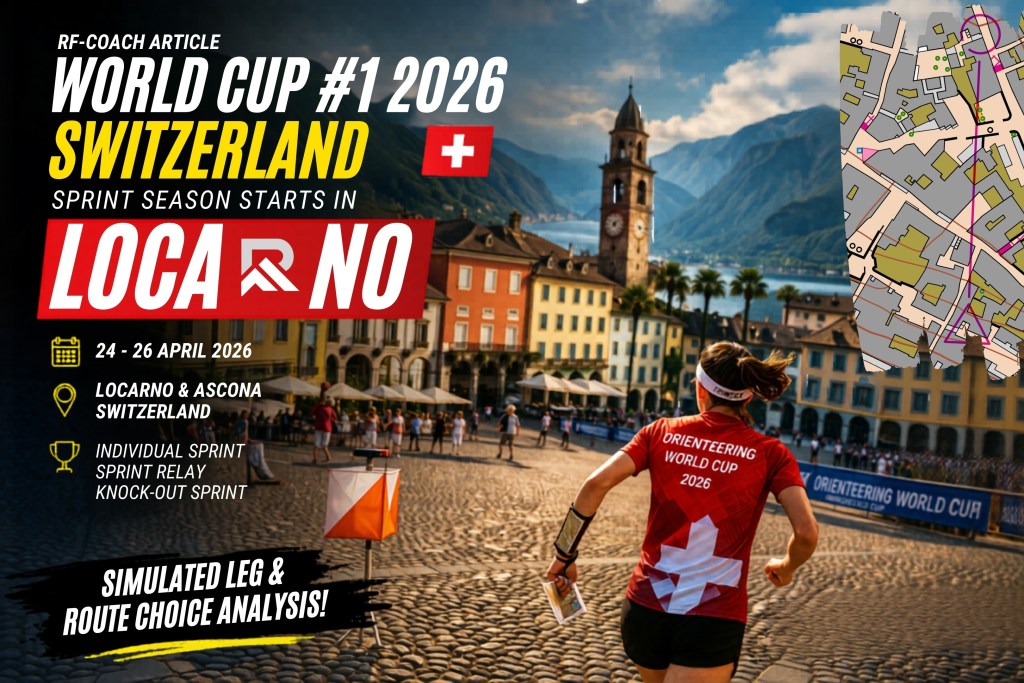
That already gives this first World Cup round a very distinctive identity. A pure sprint block at the start of the international season always feels special. The margins are tiny, the decisions are fast, and the best athletes are forced to operate right on the edge from the very first race. And when that happens in a place like Locarno, the interest only grows. This is not just another urban setting. It looks like the kind of place where speed alone will never be enough.
🏙️ The Terrain: Locarno in Focus
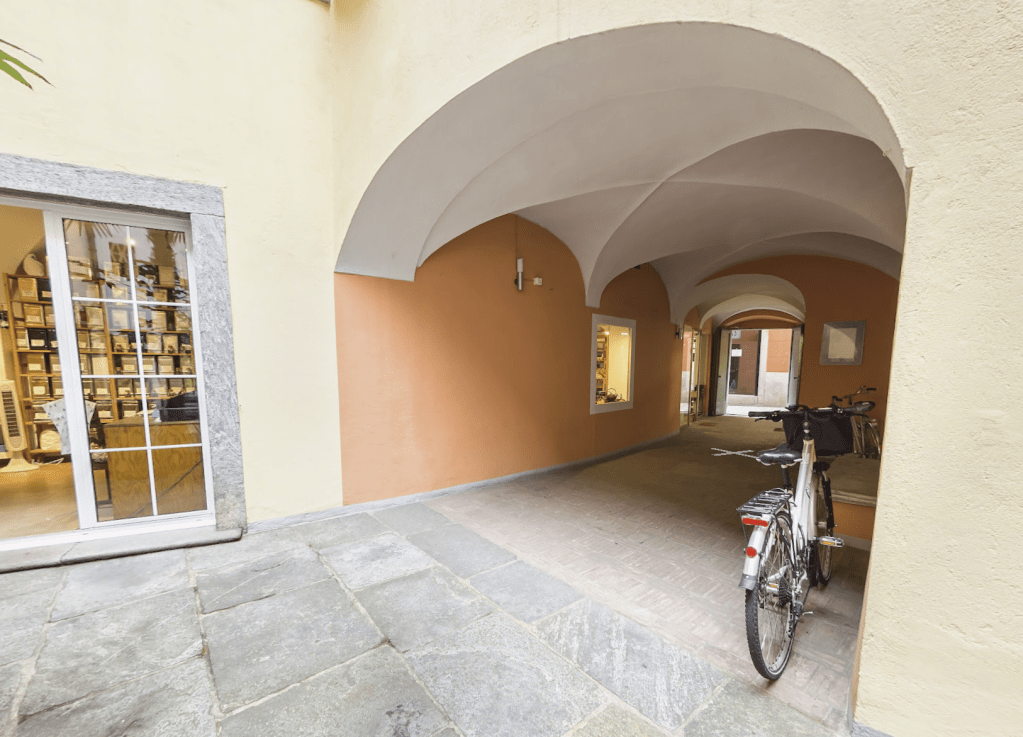
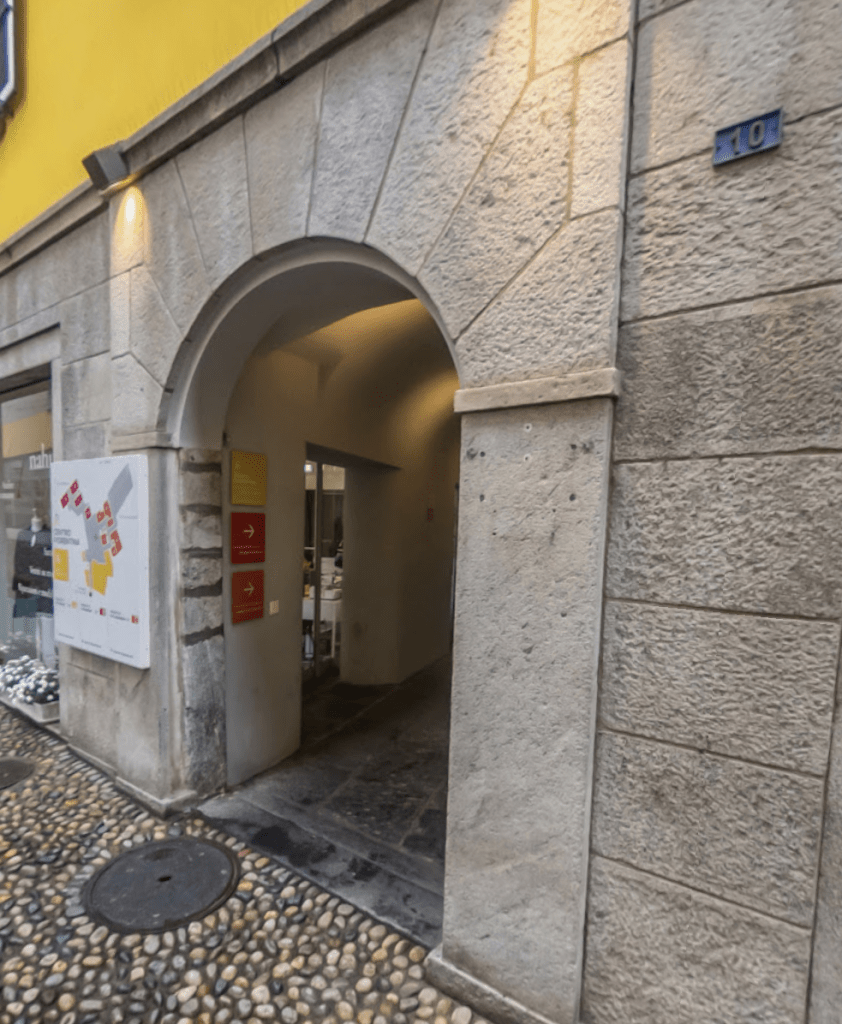
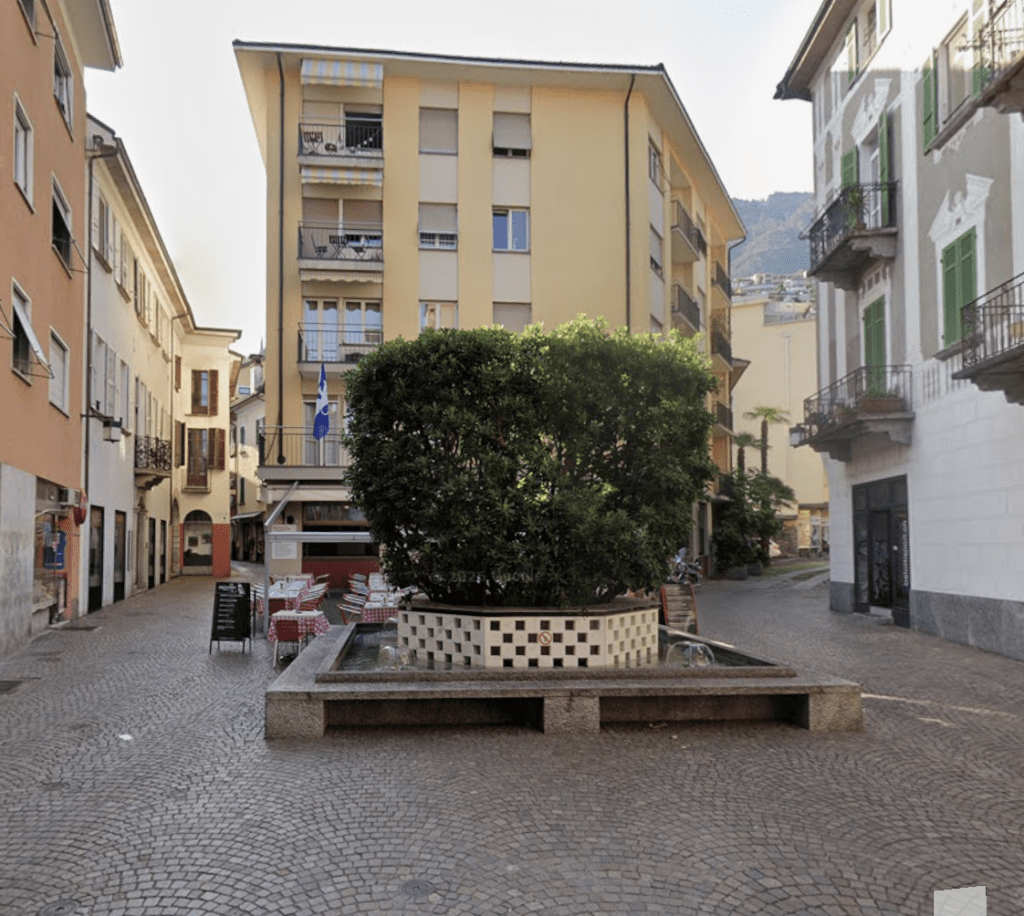
The terrain is urban, with smaller and bigger buildings as well as park areas. The forms are mostly flat to moderate, although some parts of the city include steeper slopes. That description already suggests a sprint weekend with real variety. On one side, there will likely be sections where the athletes can fully commit to speed and flow. On the other, there will be parts of the city where the terrain shape and the street structure demand more control, more anticipation, and a much cleaner technical execution.
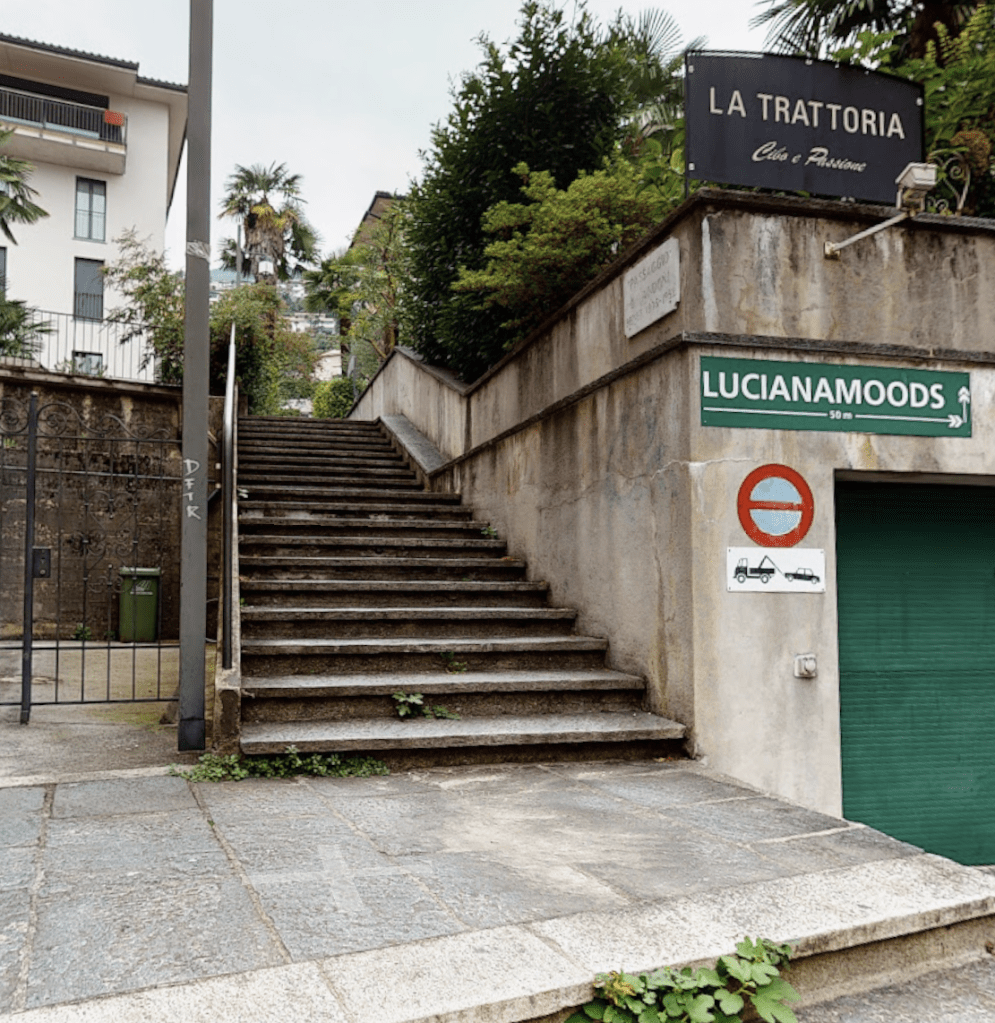
Locarno is ideal for this kind of racing. Piazza Grande is the landmark and heart of the city, a broad and characteristic square with arcades and a strong urban identity. But the rhythm changes quickly once you move away from it. Walking uphill from Piazza Grande, the city develops into steeper and narrower streets in the old town, creating a very different navigational environment. From a sprint orienteering perspective, that matters a lot. Areas like this tend to reward athletes who can constantly adapt. Open sections may invite maximum speed and offensive forward planning. Then, only a few seconds later, the race may enter a more compressed structure where precision, map contact, and control become far more important. This type of transition is often where the very best sprinters separate themselves from the rest.
In other words, Locarno looks like an excellent stage for high-intensity sprint racing. Fast streets, open urban spaces, park sections, denser detail, and occasional slope. A city where the rhythm can change quickly, and where route choice is likely to depend not only on distance, but also on flow, climb, cornering, and the ability to keep reading ahead under pressure.
🧠 Simulated Leg from World Cup #1 2026
As part of the preparation for this World Cup opener, I want to propose a sprint leg simulation inspired by the kind of challenge athletes are likely to face in Locarno. This is exactly the sort of leg where winning or losing seconds may depend not only on raw speed, but on how quickly you understand the urban structure, how efficiently you judge the options, and how cleanly you execute the decision.
➡️ Your task:
Take a close look at the map below. Draw your route. Think not only about the shortest option, but also about flow, climb, number of corners, and how easy each route would be to execute at race speed.
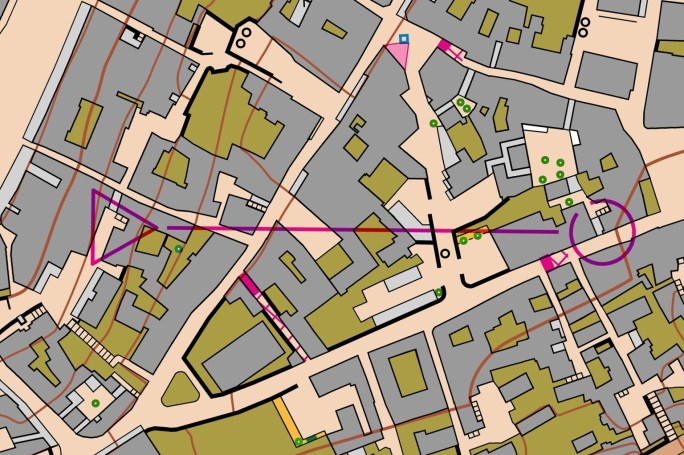
🧠 Think About…
- Which option offers the best running flow?
- Where would you be forced to decelerate?
- Does the shortest route really remain the fastest one?
- Which option allows the best forward planning?
- Which route would be easiest to execute under real race pressure?
SPOILER ALERT!!!
If you haven’t drawn your route yet, do not keep scrolling down!!!
The analysis of the routes is posted just below!!!
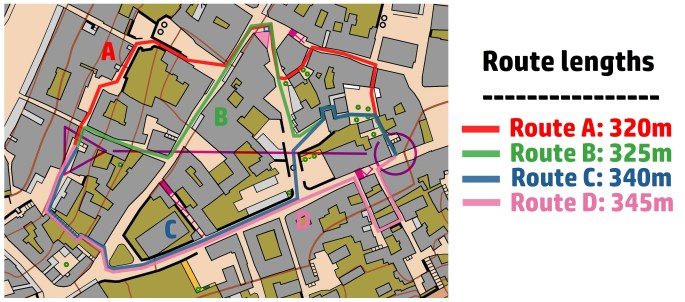
After presenting this sprint simulation inspired by the upcoming World Cup races in Locarno, it is time to move into the strategic analysis. This leg is a good reminder that sprint route choice is not only about distance. Flow, braking points, cognitive load, and opportunities to read ahead all matter.
I identified four main options:
Route A: 320 m
Route B: 325 m
Route C: 340 m
Route D: 345 m
Routes A and B are the shortest, but they are also the most demanding. Both go through the left side and include more turns, more precise execution points, and several canopy passages. That increases the cognitive load and makes it harder to maintain maximum speed throughout the leg.
Routes C and D are around 20 to 25 metres longer, but they offer a cleaner structure. There are fewer turning points, smoother running, and better opportunities to anticipate the next section. Over this distance, 25 extra metres is roughly 5 seconds at 3:30/km, so the key question is simple: do the shorter routes really save those seconds once braking and hesitation are taken into account?
In my opinion, all four options can produce similar splits if executed very well. But strategically, Route D looks like the best choice. Even with the initial stairs, Route D seems to offer the best balance between speed, simplicity, and control. It allows a more natural execution, fewer interruptions, and more time to read ahead. In a leg like this, that combination is often more valuable than saving a few metres.
Final Thoughts
At this level, sprint races are rarely decided by one spectacular decision. More often, they are shaped by the accumulation of small correct ones. The athletes who perform best are usually those who can combine physical speed with technical clarity, and who are able to keep that balance even when the intensity rises.
A few final thoughts before the first start:
- Prioritise decisions that you can execute fully. A route is only good if it allows you to commit without hesitation.
- Protect your running flow. In many sprint legs, avoiding unnecessary braking is just as important as saving a few metres.
- Use every cleaner section to look ahead. The athletes who stay one step in front of the course are often the ones who race with the most control.
- Stay composed when the map becomes dense or irregular. Sprint punishes emotional rushing much more than calm precision.
Best of luck to all athletes competing in Locarno and Ascona. Trust your preparation, stay sharp in the details, and enjoy what promises to be a demanding and exciting opening World Cup round.
Discover more from RF-COACH
Subscribe to get the latest posts sent to your email.
 RF-COACH